There are forever chemicals in our food now. Here's what I'm actually doing about it.
I'm not going to pretend I can settle the science for you. But I've been reading everything I can find, and one thing gave me real hope. I want to share it.
If you've seen the words forever chemicals in the news lately and felt your stomach drop a little, you're not alone. I felt it too. For years most of the worry about PFAS, that whole family of chemicals that don't break down, was about drinking water and nonstick pans and waterproof jackets. This summer it got a lot more personal. It moved to our food.
Here's what happened. In late June, the EPA approved several new pesticides for some of our biggest crops, wheat, oats, corn, soybeans, citrus. A number of scientists and watchdog groups are calling some of these compounds PFAS. And I want to be fair here, because there's a real fight over it: the EPA says these particular ones are not forever chemicals and are safe when used the right way. A lot of independent researchers, and most states, use a broader definition that would count them. That argument is genuine, and it is not settled.
I'm not going to sit here and referee that for you. What I keep coming back to is the part I can actually do something about, and so can you: what we put in our bodies every single day.
The hard partWhy "forever" is the word that gets me
They call them forever chemicals because they barely break down, not out in the world and not inside us. They can hang around for years. And that's the part that used to make me feel a little helpless. If this stuff is everywhere and my body can't clear it, then what am I supposed to do, just worry?
Testing keeps finding PFAS in the blood of almost everybody. This isn't some rare thing that happens to other people. It's all of us, which is exactly why I think it's worth talking about what we can do together.
But here's the shift that changed how I feel about it. I can't control what the EPA approves. I can't control what got sprayed on a field three states away. What I can control is what I cook, what I drink, what I build my mornings around. Those are mine. And there's a small but growing pile of research saying one of those everyday choices might matter more than any of us realized.
The part that gave me hopeIt turns out the answer might be oats
The thing at the center of all this is oat beta-glucan. I know, it doesn't sound exciting. It's just the soluble fiber in oats, the same stuff doctors have been telling us about for years because it helps lower cholesterol. Nothing fancy.
But the researchers who were studying that cholesterol effect noticed something else. This gel-forming fiber seems to grab onto certain things in the gut and carry them out of the body the normal way, through digestion. Researchers at Boston University and UMass Lowell started asking whether oat beta-glucan might help support the body's natural elimination pathways for certain PFAS compounds, and their early published work backs up that idea. In plain terms: a regular, everyday food might gently help your body do what it already knows how to do.
I'm excited about this, and I'm also not going to oversell it, because you deserve the truth. The strongest research so far is an animal study, plus a small human pilot where people took a concentrated oat beta-glucan supplement before meals and saw a modest drop in two PFAS compounds over four weeks. That's a hopeful signal, not a cleanse and not a cure. And eating a bowl of oats is not the same as the concentrated supplement they tested. Nothing here treats or prevents or removes any disease, and no food undoes an exposure. What it does is point us in a hopeful, food-first direction, and give me one more reason to keep eating real food on purpose.
That matters to me, because our whole industry is full of people promising more than they can prove, and I'm tired of it. This isn't that. It's smaller and truer: a real food, well studied for one thing, might quietly help with another. And when you can't do everything, doing one simple thing over and over is its own kind of power. I believe that with my whole heart.
What I'm actually doingSmall stuff, every day, all in your hands
None of this needs a protocol or a panic. It's the same handful of things that hold up no matter what the headlines are doing this week. Here's where I'd start:
- 01 Buy organic when you can.Whenever it fits your budget, organic is a straight-up way to cut down the pesticide residue coming into your kitchen. Every swap counts. You don't have to do all of them at once, I sure didn't.
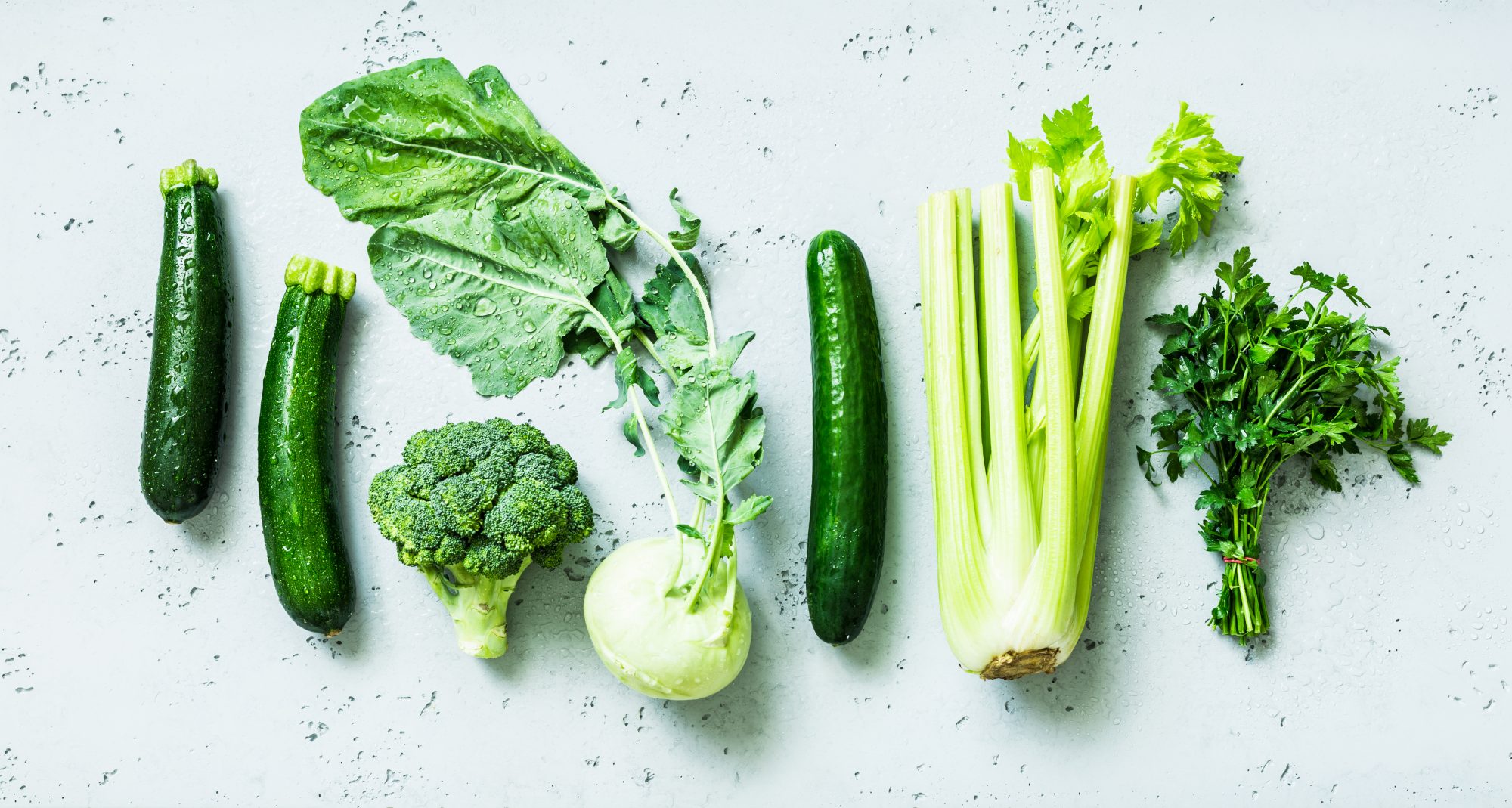
- 02 Eat more real, whole food.The closer to how it grew, the better. Whole, barely-processed food is the foundation everything else sits on.
- 03 Get your fiber.Fiber-rich plants help your body do what it's already built to do, day in and day out. It's simple and it works.
- 04 Add oats if they work for you.Oats are one everyday source of that beta-glucan fiber the researchers are looking at. A bowl of oatmeal is an easy, familiar place to start.
- 05 Keep your daily foundation strong.Consistency beats perfection every time. A steady habit over a whole year does so much more than any short, strict cleanse ever could. I'd take boring-and-consistent over dramatic any day.
That last one is really the whole point for me. This forever-chemicals thing feels scary because it feels out of reach. But the answer isn't fear and it isn't some miracle fix. It's a small choice you make on an ordinary Tuesday morning, and then make again on Wednesday. Awareness matters. Daily choices matter. That's it.
Why I start almost every morning with a Power Shake
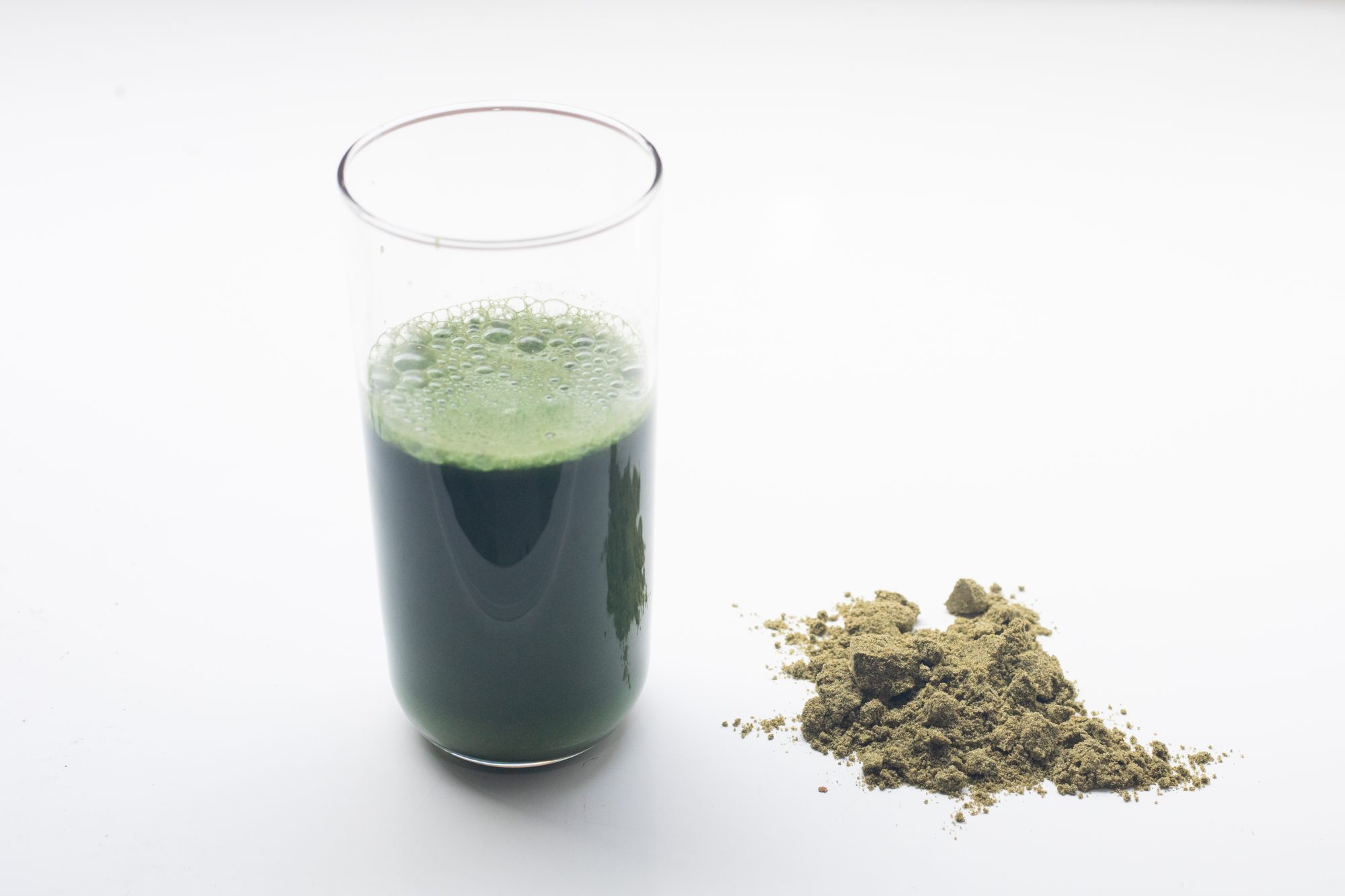
Making a whole-food habit automatic is half the battle, and for me a morning shake is how I win it. That's why I love starting my day with Power Shake, made with organic whole oats and real organic superfoods. It's my easy, organic, whole-food foundation, the exact daily rhythm this whole article is about. On the mornings when everything's chaos, it's the one healthy thing I know I got right.
One thing I want to be clear about, because it matters to me: this is food, not medicine. Power Shake is a nutritional foundation. It is not a treatment for PFAS exposure, and no shake removes anything from your body. I drink it because keeping my daily foundation strong is one of the few things that's completely in my hands, and I like starting my day there.
See what's inside Power Shake →Go read the research yourself. Stay curious. And treat the food on your plate like what it is, something you actually get to decide, one good morning at a time. Awareness matters. Daily choices matter. And you've got more say in this than the headlines want you to believe.
• The Hill: "EPA approves pesticides that may be considered 'forever chemicals,' though it disputes that label" (June 2026). thehill.com
• EPA final rules published in the Federal Register, June 30, 2026 (diflufenican, docket EPA-HQ-OPP-2021-0435; epyrifenacil, docket EPA-HQ-OPP-2022-0354), open for public comment at regulations.gov
• Schlezinger J.J. et al. "An oat fiber intervention for reducing PFAS body burden: A pilot study in male C57Bl/6J mice." Toxicology and Applied Pharmacology, Feb 2025. pubmed.ncbi.nlm.nih.gov/39647509
• Boston University, The Brink: "What Are PFAS? And Could Fiber Supplements Help Remove Them from Our Bodies?"
 Will Levin